
How to Identify and Maintain a Steering Cylinder?

Identifying and maintaining a Steering Cylinder is crucial for vehicle safety. This component plays a vital role in steering control. Without proper function, your vehicle can become difficult to steer and dangerous to drive.

To begin, it's essential to recognize common signs of a failing steering cylinder. Look for unusual noises or leaks. These indicators often signal underlying problems. Regular inspection can help identify issues early. However, many drivers overlook these signs. Ignoring them can lead to costly repairs.

Maintenance of the steering cylinder requires attention to detail. Simple tasks, like checking fluid levels, can make a difference. Make sure to use the correct fluid type. Regular maintenance not only extends the life of the cylinder but also ensures driving safety. Yet, many vehicle owners may forget this step. Reflecting on past neglect can prompt better care in the future.
How to Identify and Maintain a Steering Cylinder?

Understanding the Functionality of Steering Cylinders in Vehicles

Steering cylinders play a crucial role in vehicle maneuverability. They convert hydraulic pressure into mechanical motion, allowing smooth steering control. This function is vital for safe driving. A malfunctioning cylinder can lead to poor handling and unexpected turns. Recognizing issues early can prevent serious accidents.

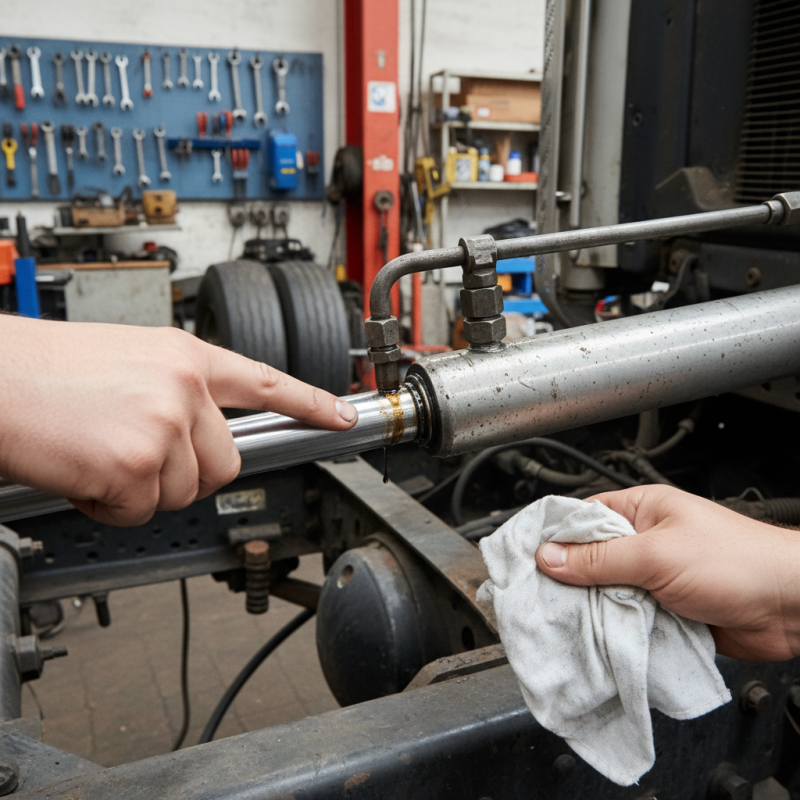
Regular checks are essential for maintaining steering cylinders. Look for signs of fluid leaks around the cylinder area. Any pooling fluid indicates a problem. Inspecting the rods for wear can also reveal potential failure points. Frayed or rusted connections should not be ignored. It's important to note that even minor issues may cause major disruptions.

Even with routine maintenance, some challenges remain. Drivers sometimes overlook the warning signs. Ignoring small leaks may lead to costly repairs down the road. Regular inspections can help keep your steering cylinder in check. Reflecting on these aspects ensures a safer driving experience.

Steering Cylinder Maintenance Analysis

Key Components of a Steering Cylinder and Their Roles

Identifying and maintaining a steering cylinder involves understanding its key components. The primary part is the cylinder itself. It houses hydraulic fluid, which provides the necessary pressure to assist in steering. If the fluid is low, steering can feel heavy. Regularly checking fluid levels is essential.

Another critical component is the piston. It moves within the cylinder and translates hydraulic pressure into mechanical movement. If the piston shows signs of wear, the steering performance may decline. You might notice a grinding noise. Seals surround the piston and prevent leaks. Damaged seals can lead to fluid loss, affecting responsiveness.

Hydraulic lines connect the cylinder to the steering system. Any cracks in these lines can lead to significant issues. It's vital to inspect them for leaks or wear. Regular maintenance is crucial. Ignoring minor issues can lead to bigger problems down the line. A steering cylinder may seem simple, but its components work hard together. Each part plays a unique role, and understanding them helps in proper upkeep.

Common Signs of Steering Cylinder Wear and Failure

The steering cylinder plays a crucial role in vehicle control. When it wears out, noticeable signs appear. Look for fluid leaks near the cylinder. This indicates potential damage. Another warning signal is a stiff or unresponsive steering wheel. You might feel a difference in handling.

Noise is another common issue. Listen for unusual sounds when turning. Popping or grinding noises could suggest internal wear. Excessive play in the steering wheel is also a concern. If you notice that you can turn the wheel too much before feeling resistance, it’s time to inspect the system.

Regular checks can prevent bigger problems. Ensure that the steering cylinder is free of corrosion and debris. Fluid levels should be monitored closely. If you see any red flags, take action quickly. Ignoring these signs may lead to complete steering failure. A small leak can become a major headache. Pay attention, and don’t overlook minor issues. They can save you time and money in the long run.

How to Identify and Maintain a Steering Cylinder? - Common Signs of Steering Cylinder Wear and Failure

Sign Description Possible Causes Maintenance Tips
Fluid Leaks Presence of hydraulic fluid around the steering cylinder. Worn seals or fittings. Regularly check for leaks and replace seals as needed.
Steering Play Excessive movement in the steering wheel before the wheels respond. Worn components in the steering mechanism. Adjust the steering system and inspect for loose parts.
Unusual Noises Grinding or whining noises during steering. Low fluid level or damaged components. Check fluid levels and inspect for any damaged parts.
Stiff Steering Difficulty turning the steering wheel. Lack of fluid or internal cylinder wear. Ensure proper fluid levels and possible system flush.
Vibration Feeling vibrations through the steering wheel when in motion. Imbalanced wheels or failing steering components. Balance tires and inspect steering for any issues.

Best Practices for Maintaining and Servicing Steering Cylinders

Maintaining a steering cylinder is critical for vehicle safety and performance. Regular inspections can prevent costly repairs. According to a recent industry report, nearly 30% of steering failures are linked to poor maintenance. Identifying potential issues early can save time and money.

Best practices include checking fluid levels regularly. Low fluid can lead to overheating and system failure. Inspect seals for leaks; even minor leaks can escalate into significant issues. Use clean, quality fluids as recommended by industry standards.

Scheduled servicing is essential. Data indicates that failure to service steering cylinders often results in reduced steering effectiveness. This can lead to handling problems. Listen for unusual noises when turning the wheel. They may indicate something is wrong. Document any findings during your checks. This makes tracking recurring issues easier. Regular maintenance contributes not only to safety but also to optimal vehicle performance, ensuring a smoother ride.

Industry Standards and Guidelines for Steering Cylinder Inspection

When inspecting steering cylinders, following industry standards is crucial. Start with visual inspections. Look for cracks, rust, or other damages on the cylinder body. A small dent can lead to larger issues. Pay attention to the seals; they may wear out over time. A failed seal can cause fluid leaks, impacting performance.

Using a gauge to measure cylinder wear is often overlooked. Regular measurements help to detect any potential problems early. Small deviations can indicate more significant issues down the line. Follow the manufacturer's guidelines on maintenance intervals. Skipping this can be detrimental.

Maintenance should include fluid checks. Dirty or low fluid levels can affect steering response. If you notice a difference in handling, it might be time for a thorough inspection. Be mindful; it’s easy to miss something minor that could lead to a major failure. Regularly scheduled checks can save time and resources in the long run.