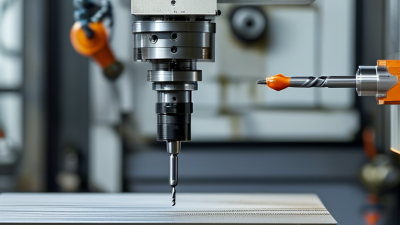
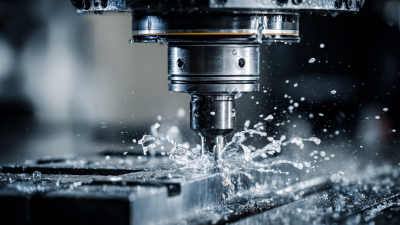
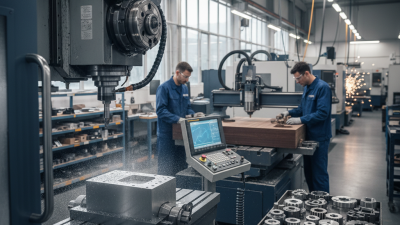
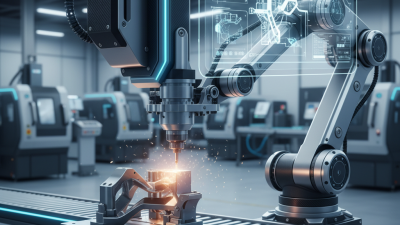
Choosing the best China High Precision Cnc machining supplier requires more than comparing prices. It demands evidence, technical understanding, and careful communication. Reliable suppliers should demonstrate experience with tight-tolerance components, complex geometries, and difficult materials such as titanium, stainless steel, and aluminum alloys. Their workshops should include calibrated CMM equipment, CNC turning centers, five-axis machining capabilities, and documented inspection procedures. A polished website is not enough.
This guide examines practical supplier selection criteria for engineers, purchasing teams, and product developers. We consider machining accuracy, surface finishes, production capacity, material traceability, and quality systems such as ISO 9001. Sample inspection reports can reveal more than impressive claims. Look for measured dimensions, datums, tolerance results, and clear revision control. Ask how suppliers handle tool wear, first-article approval, nonconforming parts, and packaging for sensitive surfaces. Small details matter.
Communication matters too. Can the supplier understand a drawing without repeated explanations? Can engineers suggest a manufacturable design change without weakening performance? Site audits, video inspections, and prototype orders can reduce uncertainty before mass production begins. Still, no supplier is perfect. Delivery estimates may shift, and inspection data can be incomplete. That is why independent verification remains valuable. The strongest partnerships grow through transparent reporting, realistic tolerances, and corrective action when problems appear. This article compares qualified Chinese suppliers through that practical lens, helping readers make a more confident and responsible decision.
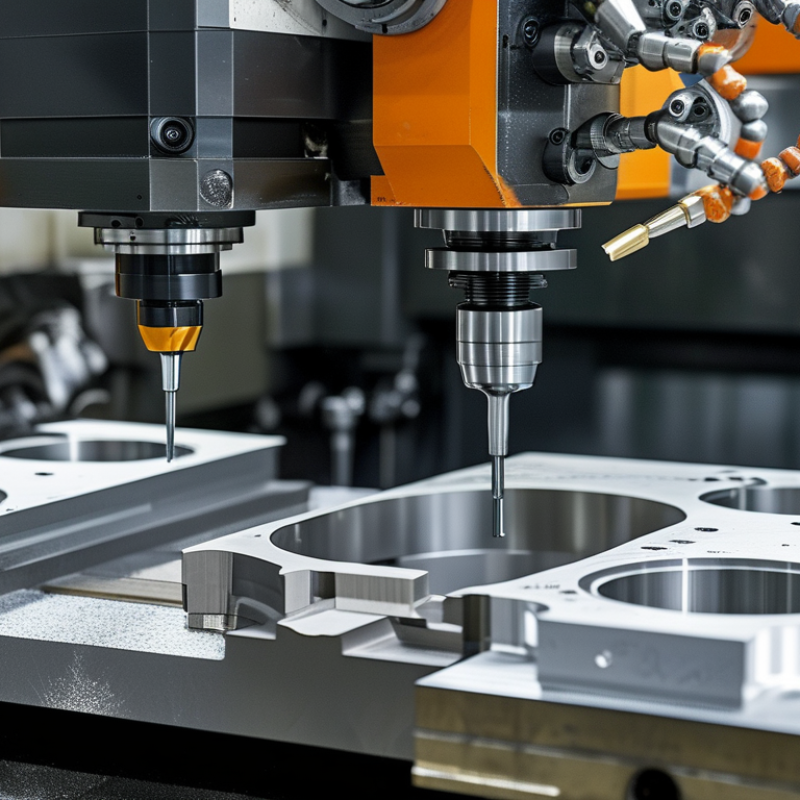
High-precision CNC machining suppliers in China are manufacturers that produce parts with extremely tight dimensional tolerances. They use computer-controlled milling, turning, grinding, and inspection equipment. Their role is not limited to cutting metal. They translate engineering drawings into stable, repeatable components for medical devices, aerospace systems, automation equipment, and precision instruments.
A capable supplier reviews material grades, geometric tolerances, surface finishes, and functional requirements before production. Engineers may suggest a different tool path or clamping method to reduce vibration. On the shop floor, operators monitor cutting speed, tool wear, coolant temperature, and first-piece results. Coordinate measuring machines then verify critical dimensions, such as a 0.01-millimeter bore or a flat sealing surface. Small details matter.
Reliable suppliers also manage traceable records, calibrated gauges, process instructions, and shipment protection. Experience becomes visible in practical questions: Does the part distort after heat treatment? Can the tolerance survive several production batches? Is the inspection method suitable for the feature? Not every process plan is perfect. A supplier may discover that an attractive tolerance is unnecessary, expensive, or difficult to maintain. Honest technical discussion can prevent that mistake. Clear drawings, sample approvals, and regular communication help both sides correct assumptions before they become defective parts.
High-precision CNC machining suppliers produce complex components with tight dimensional tolerances, consistent repeatability, and documented quality control. Their role includes process planning, multi-axis machining, inspection, material traceability, and production support for industries such as aerospace, medical devices, electronics, and automation.
High-precision CNC machining depends on several connected technologies. A rigid five-axis machine can reach complex surfaces with fewer setups. Fewer setups usually reduce alignment errors. That matters when a part includes thin walls, angled holes, or tight positional tolerances. In practical production, calibrated linear scales help the control system correct tiny axis movements. Thermal compensation is also important. Machine temperature changes during long cycles. Even a small expansion can affect a critical bore.
Advanced CAM software converts digital models into controlled cutting paths. Skilled programmers adjust stepovers, feed rates, and tool engagement for each material. Carbide tools may cut hardened steel, while coated tools can improve stability in aluminum work. Tool length measurement and automatic tool monitoring help detect wear before dimensions drift. Sometimes, the software predicts a perfect path, but the real cut behaves differently. Material stress can release unexpectedly.
In-process probing adds another layer of control. A probe can check workpiece position, hole locations, and key surfaces without removing the part. After machining, coordinate measuring machines verify dimensions against the drawing. Surface roughness testers provide useful evidence where appearance alone is unreliable. Controlled coolant flow also protects tools and supports consistent finishes. I have seen a clean-looking component fail inspection because one hidden edge exceeded tolerance. That experience remains a useful warning. Precision requires records, repeat checks, and honest attention to small deviations.
Selecting China’s best high precision CNC machining supplier requires more than comparing hourly prices. Start with drawings, tolerances, materials, and annual volume. Ask how the factory verifies a 0.01 mm feature. Request recent inspection reports, calibration records, and material certificates. A serious supplier explains its process clearly. Vague answers matter. Prices can mislead.
Evaluate equipment, operators, and quality control together. Visit the workshop remotely or in person. Look for clean machines, labeled materials, stable temperature control, and traceable work orders. Check whether measuring tools are calibrated. Confirm the supplier can provide first article inspection, in-process checks, and final reports. Ask for a sample part before approving a large order. It exposes fixture problems early. Also review capacity during peak periods. A capable shop may still miss deadlines when its schedule is full.
Communication is another technical factor. Send a difficult drawing and observe the questions returned. Skilled engineers will flag unclear datums, thin walls, sharp internal corners, or unrealistic tolerances. Review packaging, nonconformance handling, and corrective-action records. Certifications can support credibility, but they cannot replace production evidence. I would avoid choosing from a polished website alone. That judgment can be uncomfortable. A smaller supplier may offer stronger attention, while a larger facility may provide better redundancy. Compare measurable performance, not promises. Record every approved change.
A reliable CNC machining supplier should prove quality with records, not promises. Look for ISO 9001-based systems, controlled work instructions, and traceable inspection reports. Critical parts may require coordinate measuring machine checks, surface roughness testing, and first-article inspection. Ask how operators manage tool wear and dimensional drift during long production runs. Small details matter.
Material control is equally important. Qualified suppliers should provide mill certificates for aluminum, stainless steel, brass, titanium, and engineering plastics. Material identification should remain visible from receiving to final inspection. Heat treatment and surface finishing need clear specifications, approved processes, and measurable results. A polished surface can hide problems. It cannot replace accurate dimensions.
Production capability depends on more than machine quantity. Review spindle accuracy, axis travel, tolerance experience, and available turning or five-axis equipment. A capable workshop can support prototypes, low-volume parts, and stable batch production without changing standards. It should also explain capacity honestly. No factory is perfect. Some suppliers may overstate tolerance control, especially on thin walls or deep cavities. Request sample reports, process-control plans, and photographs of inspection setups. Clear communication matters when drawings contain unclear datums or unrealistic tolerances. Suppliers that welcome technical questions usually understand their process better.
Cost, lead times, and supplier selection require more than comparing hourly rates. A low quote can hide programming, inspection, packaging, or material surcharges. The U.S. Bureau of Labor Statistics’ 2024 producer-price data showed continued movement in metalworking and machine-shop input costs. Ask suppliers to separate material, machining, finishing, inspection, and freight charges. Quotes need context.
Lead times depend on capacity, not promises. The 2023 World Bank Logistics Performance Index links shipment reliability with customs efficiency, infrastructure, and delivery timeliness. Request a capacity plan with drawing review, first-article inspection, production, and dispatch dates. A practical supplier should identify risks before accepting the order. That gap matters. A five-day machining estimate may become three weeks after special tooling or outside treatment.
Selection should rely on evidence. Review capability records, calibration certificates, material traceability, inspection reports, and recent samples with similar tolerances. For critical dimensions, require a coordinate-measuring-machine report and agreed acceptance criteria. ISO 9001 certification supports process control, but it does not prove every tolerance will be achieved. Experience still matters. I would also run a small pilot order before releasing volume production. This approach costs more initially, yet it exposes communication delays, revision mistakes, and packaging weaknesses early. Supplier scoring should include defect rate, response time, corrective-action quality, and on-time delivery, not price alone. My own judgment can be imperfect, so documented evidence should outweigh confident sales language.