
Plastic Injection Mold Best Practices for Optimal Production?

In the realm of manufacturing, the Plastic Injection Mold plays a critical role. It serves as the foundation for producing high-quality plastic parts across various industries. Effective practices can enhance both efficiency and product quality. However, achieving optimal production is not just about following standard protocols.

There are nuances to consider in mold design and maintenance. Each mold might require tailored solutions based on the specific material used and the desired end product. Ignoring these details can lead to defects and inefficiencies. Additionally, regular maintenance is often overlooked. Neglecting this aspect can result in costly downtime and reduced output.

Moreover, the importance of staff training cannot be understated. Employees must be well-versed in the nuances of their machines. Proper training can minimize errors and increase production speed. Understanding the intricacies of the Plastic Injection Mold is essential for maintaining a competitive edge. Balancing best practices with continuous improvement can lead to better results.
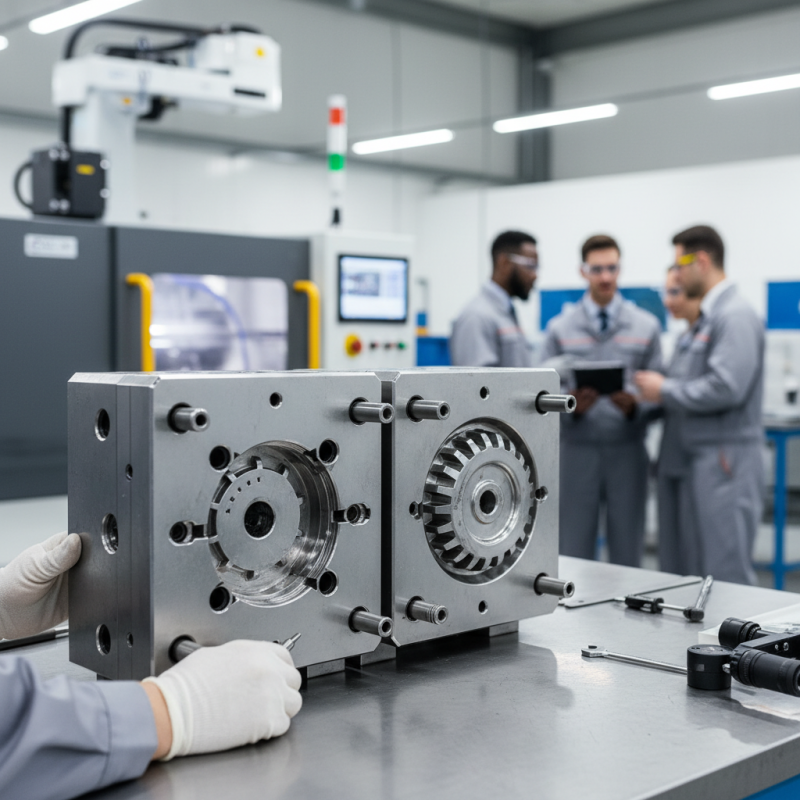
Plastic Injection Mold Best Practices for Optimal Production?

Essential Considerations for Designing Efficient Injection Molds

When designing efficient injection molds, several core factors come into play. The shape of the mold is crucial. It impacts the flow of the molten plastic. A well-designed mold can reduce production time by up to 30%, according to industry reports. Proper venting is essential to avoid air pockets, which can lead to defects in the final product.

Tips: Always prioritize mold venting design. Use simulation software to visualize airflow patterns. This can help prevent costly mistakes.

Material selection is another critical consideration. Different plastics have varying flow characteristics. For instance, polypropylene flows better at lower temperatures than ABS. Choosing the right material can improve cycle time and quality. However, designers often overlook this aspect, which can lead to subpar results and increased costs.

Tips: Analyze the material's properties thoroughly. Don't hesitate to test small batches before full-scale production. This step can save resources in the long run.

Material Selection for Enhanced Mold Performance and Durability

Choosing the right materials is crucial for plastic injection molds. Not all materials are created equal. Some may perform well initially but degrade over time. Others can withstand high temperatures but may be too brittle. Understanding the specific needs of your project can lead to better outcomes.

Thermoplastics are popular choices due to their versatility. They can be reused and recycled. However, their durability can vary. Some may warp under heat. Others may chip or crack after multiple uses. It’s important to test materials before full-scale production.

Metal molds often provide better longevity. They resist wear and maintain precision. Yet, they are more expensive to produce. Balancing cost and durability is a common challenge. It requires careful thought and evaluation. Using the wrong material can lead to production delays. It’s essential to assess all factors, including the environment the mold will operate in.

Optimizing Cycle Times through Advanced Injection Techniques

Optimizing cycle times in plastic injection molding is essential for maximizing production efficiency. Advanced injection techniques can play a crucial role in this process. Techniques such as multi-shot molding and gas-assisted injection help reduce cycle time while improving part quality. Multi-shot molding, for instance, allows multiple materials to be injected in a single cycle, streamlining production and lowering costs.

However, implementing these advanced techniques requires careful consideration. Each method comes with its own set of challenges. Multi-shot processes can lead to increased complexity in mold design and maintenance. Gas-assisted injection may require specialized equipment, which can increase initial investment costs. Manufacturers need to evaluate the trade-offs between speed and quality.

Monitoring and adjusting machine parameters are vital for optimal results. Small changes in pressure or temperature can significantly impact cycle time and product quality. Continuous improvement is key. Sometimes, results do not meet expectations. Reflecting on these outcomes can lead to better strategies in the long run. Balancing speed with high-quality production is an ongoing challenge in the industry. Trial and error will always be part of optimizing the injection molding process.

Maintaining and Inspecting Molds for Long-Term Reliability

Proper maintenance and regular inspection of plastic injection molds are crucial for ensuring long-term reliability. Studies show that up to 25% of production downtime is directly related to mold issues. Routine checks help identify wear and tear, which can lead to severe production delays. For instance, a small crack can quickly escalate, affecting overall output quality.

Mold components should be meticulously cleaned after each use. Residue buildup can cause serious defects in products. Reports indicate that molds that are cleaned regularly last, on average, 30% longer than those that are neglected. Inspecting water channels and ensuring they are free of blockages is also essential. Clogged channels can lead to uneven cooling, ultimately impacting production efficiency.

However, not all inspections yield positive results. Sometimes, even well-maintained molds fail unexpectedly. This requires a thorough evaluation of operational parameters. Analyzing temperature and pressure settings during the injection process can provide key insights. Regularly documenting findings helps track issues over time. Reflection on these data points can lead to improved practices and better mold management strategies in the long run.

Plastic Injection Mold Best Practices for Optimal Production - Maintaining and Inspecting Molds for Long-Term Reliability

Best Practice Description Frequency of Inspection Notes
Regular Cleaning Remove debris and residues to prevent defects. After each production run Use non-abrasive cleaners
Lubrication Apply lubricant to moving parts to reduce wear. Weekly Check for excess buildup
Visual Inspection Check for cracks, rust, and deformities. Monthly Document findings
Temperature Control Ensure molds are maintained at optimal temperatures. Continuous monitoring Use thermocouples for accuracy
Documentation of Maintenance Keep records of all maintenance activities. Ongoing Track replacement parts

Troubleshooting Common Injection Molding Issues Efficiently

Injection molding can face numerous challenges that impact production efficiency. Common issues include short shots, warping, and surface blemishes. According to the 2023 Global Plastics Report, 35% of manufacturers listed these problems as the main obstacles in their operations. Understanding the root causes is essential for resolving them effectively.

Short shots usually occur due to insufficient material flow. This can be due to improper gating design, low injection pressure, or inconsistent temperatures. Addressing these factors is critical. For instance, adjusting the barrel temperature by just 10 degrees can improve flow consistency. Warping, on the other hand, often results from uneven cooling. Techniques like using conformal cooling channels can mitigate this issue.

Surface blemishes can stem from contamination or inadequate mold cleaning. Studies show that 50% of defects relate to these causes. Regular maintenance and cleaning schedules can alleviate many of these problems. Inspecting molds after each run can also uncover hidden issues that might escalate if ignored. Adopting best practices and regularly evaluating processes can lead to better outcomes in injection molding.