
China has become a major sourcing base for packaging equipment, components, and export-ready logistics materials. That makes the search for the best Pallet Banding Kit suppliers both promising and complicated. A low quotation may conceal weak buckles, inconsistent strap tension, or limited after-sales support.
Industry reports provide useful context. Smithers’ packaging forecasts identify continued demand for efficient, lightweight, and recyclable transport packaging. The World Bank’s Logistics Performance Index 2023 also highlights reliability, shipment quality, and supply-chain service as important performance factors. These findings matter when comparing Chinese manufacturers. A supplier should offer more than attractive pricing. It should demonstrate stable production, documented testing, clear material specifications, and responsive technical support.
Dr. Walter Soroka, a recognized packaging technology author, defines packaging as “the science, art, and technology of enclosing and protecting products.” His statement reflects the real purpose of a Pallet Banding Kit. The kit must hold cartons firmly during forklift movement, container loading, and long-distance transport. Look closely at strap width, tensile strength, seal quality, tool compatibility, and pallet dimensions. A neat catalogue can still hide weak seals.
This guide examines Chinese suppliers through practical purchasing criteria, including factory experience, customization, quality control, export capability, and customer feedback. Supplier rankings should not be treated as permanent. Product quality can change between batches, and marketing claims require verification. Samples, inspection records, and a small trial order remain sensible safeguards. The best supplier is not always the cheapest one. It is the partner that can repeat acceptable performance under real shipping pressure.
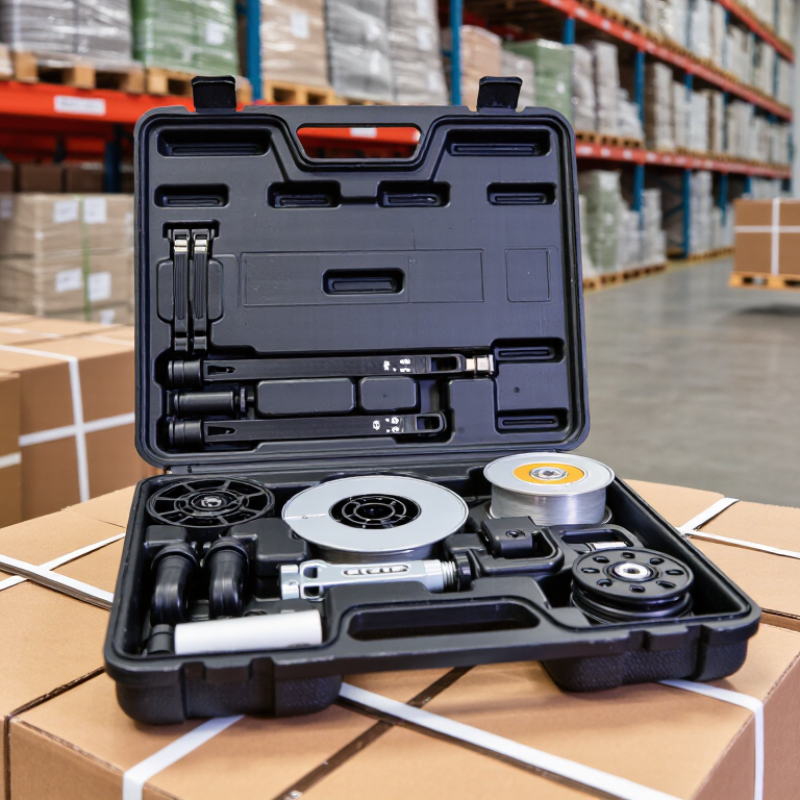
A pallet banding kit is a practical set for securing cartons, crates, or bundled materials on a pallet. It usually includes polypropylene or polyester straps, a tensioning tool, a cutter, and buckles or heat-sealed joints. Some kits also contain corner protectors and a strap dispenser.
The strap holds the load tightly during storage and transport. Corner protectors spread pressure across carton edges, preventing crushed packaging. The tensioner should provide steady force without damaging the strap. A cutter needs a guarded blade and a comfortable grip for repeated warehouse use. Small details matter.
I have found that a complete-looking kit may still lack enough seals or spare blades. That creates delays during busy loading periods. Buyers should check strap width, breaking strength, roll length, and tool compatibility before ordering. The supplier should provide clear specifications, sample testing, and consistent packing records. A reliable supplier can also explain whether the kit suits light cartons, heavy machinery parts, or uneven loads. Do not judge quality by appearance alone. A shiny tool may perform poorly after several hours of use. Practical testing remains the safer choice.
China Best Pallet Banding Kit Suppliers?
How to Define Your Pallet Banding Requirements
Before comparing pallet banding kits, describe the load you need to secure. Note its weight, dimensions, shape, and whether boxes can shift during handling. A tall stack of cartons may need different restraint from a compact bundle of timber. Check the pallet too: rough edges, gaps, or protruding boards can affect strap placement. Small details matter.
Choose the band material and width based on the load and working conditions. Consider whether packages face moisture, outdoor storage, or repeated handling. Then check the tools: Will workers use a manual tensioner, a battery-powered tool, or a suitable sealer? Confirm that the strap, seals, and tools are compatible. Ask suppliers for clear specifications and sample testing advice, rather than choosing by price alone. Real loads can behave differently from neat product photos.
Tips: Photograph a typical pallet from the side and top. Record how many straps you use and where they sit. Test a kit on a representative load, then inspect for loose straps, crushed cartons, or movement after handling. One test is not enough, though; load patterns vary, and your first estimate may be wrong. Keep notes and adjust the specification before ordering in volume.
| Requirement | Information to Define | Practical Selection Guidance | Details to Confirm with a Supplier |
|---|---|---|---|
| Load and pallet profile | Record the loaded pallet’s dimensions, approximate weight, load height, shape, and whether the load is stable or prone to shifting. | Heavy, tall, or irregular loads may need a different strap, number of bands, or band placement than compact, stable loads. Treat the load as a whole—not weight alone—as the basis for selection. | Ask whether the proposed kit is suitable for the actual load configuration and intended banding pattern. |
| Strap material | Choose between polypropylene (PP), polyester (PET), or another specified strap material based on the packaging application. | PP is commonly used for lighter-duty packaging. PET is commonly considered for higher-tension or heavier-duty applications. The appropriate choice depends on the load, strap specification, and handling conditions. | Confirm material, roll or coil format, and whether the tool is designed for that exact strap type. |
| Strap width and thickness | Specify the strap’s width and thickness in millimetres, using the dimensions of the strap you intend to purchase. | Widths around 12–19 mm are common in many PP and PET strapping applications, but availability and suitable dimensions vary by material and tool. Do not select by width alone. | Check the tool’s approved width and thickness range against the strap supplier’s specification. |
| Required tension and joint strength | Define how firmly the load must be restrained and the required performance of the completed joint. | Actual performance depends on strap material and quality, tool settings, joint method, operator technique, and load characteristics. Avoid relying on a tension figure without confirming how it was measured. | Request documented tool and joint specifications for the proposed strap, and arrange a sample test on representative loads where appropriate. |
| Joint and sealing method | Specify whether the kit should use metal seals, buckles, friction-welded joints, or another compatible closure method. | Seals and buckles must match the strap width, material, and tool. Some systems use separate tensioning and sealing tools; others combine functions in one tool. | Confirm the required seal or buckle type, compatibility, consumable availability, and whether the joint method is appropriate for the load. |
| Kit components | List the equipment needed, such as a tensioner, sealer, combination tool, dispenser, seals, and initial strap supply. | A manual kit may suit lower-volume or mobile work. Higher-volume operations may benefit from powered tools, subject to the work pattern and available charging or power facilities. | Request an itemized kit list, including any required accessories and consumables not included in the quoted kit. |
| Operating volume | Estimate the number of pallets or completed banding cycles per shift, along with peak-period demand. | Consider operator effort, cycle frequency, tool weight, and replenishment time. A tool suitable for occasional use may not be the best fit for repetitive production work. | Ask for operating guidance, recommended use conditions, and any duty-cycle limitations for powered equipment. |
| Work environment | Describe indoor or outdoor use, temperature range, moisture, dust, and any washdown or corrosion concerns. | Environmental conditions can affect strap handling, tool suitability, battery performance, and storage. Store strap and equipment according to their respective supplier instructions. | Confirm environmental limits, storage recommendations, and whether the equipment requires special protection or maintenance. |
| Operator access and ergonomics | Note available clearance around the pallet, banding direction, working height, and whether operators must work in restricted spaces. | Tool design and dispenser arrangement should allow safe access to the load and practical handling of the strap. Test the process on the actual pallet layout when possible. | Request tool dimensions, operating instructions, and a demonstration or trial if access is restricted or use is frequent. |
| Safety and training | Define operator training needs, personal protective equipment requirements, and the site’s safe-work procedures. | Tensioned strapping can create snap-back and sharp-edge hazards. Operators should follow the equipment instructions and applicable workplace safety procedures. | Confirm that operating and maintenance instructions are supplied and identify any required safety precautions for the selected system. |
| Consumables and replenishment | Estimate strap and seal consumption per pallet and the quantity needed for normal operations and peak demand. | Use a consistent, compatible strap and closure specification. A change in strap dimensions or material may require a different tool setting or compatible components. | Confirm consumable specifications, packaging quantities, storage requirements, and expected replenishment lead times. |
| Maintenance and support | Identify routine cleaning, inspection, wear-part replacement, and repair support requirements. | Maintenance needs vary by tool design and operating frequency. Keep the tool clean, inspect it as instructed, and replace worn parts using compatible components. | Ask for the maintenance schedule, spare-parts list, warranty terms, and available technical support. |
| Sample specification for quotation | Provide pallet dimensions, loaded weight, load type, strap material and dimensions, joint method, banding pattern, cycles per shift, and operating environment. | This is a specification checklist, not a universal kit recommendation. Final selection should be verified against the actual load and compatible tool and consumable specifications. | Request a written quotation that identifies each tool, strap, closure, accessory, and service item by specification rather than by a general kit description. |
When comparing China pallet banding kit suppliers, begin with the kit’s working details, not its catalog photos. Check band width, thickness, tensile strength, buckle type, and tool compatibility. Ask for samples from the same production batch. A sample that feels strong may still fail during vibration or cold storage. Request test data, but verify how the tests were performed. Load testing matters more than polished product descriptions.
Supplier experience becomes clearer through practical questions. Can they adjust band length or carton packing? What is the normal production lead time during busy seasons? Do they inspect tensioners, seals, and buckles before shipment? Reliable suppliers should provide material specifications, inspection records, and clear replacement terms. Factory videos can help, but an independent audit gives stronger evidence. I once trusted a detailed quotation too quickly. The final packaging was different.
Compare total cost, not only unit price. Include tooling, sample fees, export packing, inland delivery, and possible spare parts. A cheaper kit may require more frequent buckle replacement. Ask about minimum order quantities and communication speed. Send the same technical sheet to every supplier, then compare their answers line by line. Suppliers who avoid direct questions deserve caution. Still, no evaluation is perfect. Actual warehouse trials may reveal problems that documents miss. Use several cartons, uneven loads, and repeated tightening during the trial. Record failures carefully. Small details often decide whether a pallet banding kit performs reliably.
When comparing China’s pallet banding kit suppliers, verify the factory, not just the product page. Request recent ISO 9001 certification and check the certificate number with the issuing body. The ISO Survey 2022 recorded more than 1.2 million ISO 9001 certificates worldwide, so certification alone does not prove strong production control.
Ask for test records covering strap tensile strength, joint performance, buckle fit, and dispenser durability. ASTM D3950 provides a recognized specification framework for nonmetallic strapping. For export shipments, request palletized-load testing aligned with ISTA 3E. Watch the sample being tested. A clean warehouse means little if the strap breaks during repeated tensioning.
Production capacity needs evidence. Request monthly output, machine numbers, shift patterns, lead-time records, and the previous three months of inspection reports. Compare those figures with your peak order, not your average order. A supplier claiming 500,000 kits monthly should explain raw-material storage, staffing, and backup equipment. Video calls can help, but they are imperfect. I would still arrange an independent factory audit before a large deposit. Sample approval is not enough. Recheck strap width, buckle count, carton weight, and sealing quality during mass production. Small differences often become expensive failures.
China Best Pallet Banding Kit Suppliers?
How to Evaluate Pricing, Customization, Shipping, and After-Sales Support
Reliable sourcing starts with total cost, not the quoted unit price. Compare the kit, straps, buckles, seals, tools, packaging, and inspection charges. Ask whether prices include export cartons and documentation. A low quote may hide weak materials or missing accessories. Request a sample and test it on a loaded pallet. Check strap tension, seal strength, cutting safety, and tool comfort. Practical testing often reveals problems that spreadsheets miss.
Customization should match your warehouse routine. Confirm strap width, thickness, length, color, printing, and tool type. Suppliers should provide clear drawings and production samples before approval. Shipping requires more than a freight estimate. Review production lead time, packing dimensions, loading plans, and delivery responsibilities. Delays can damage seasonal inventory schedules. After-sales support also matters. Seek written warranty terms, spare-part availability, operating manuals, and response times for damaged tools. Do not accept vague promises. They are difficult to measure later.
Tips: Compare at least three written quotations. Ask for a complete cost breakdown. Test samples in realistic conditions. Keep every specification in the purchase contract. No checklist is perfect. Recheck assumptions when order volumes change, because a small packaging change can affect freight costs significantly.