
What is a Ball Bearing and How Does it Work?

Ball Bearings are a crucial component in many machines. They reduce friction and improve efficiency. According to Dr. Emily Carter, an expert in mechanical engineering, “Ball bearings are the unsung heroes of modern machinery.” This statement highlights their importance in various applications.

In essence, a ball bearing consists of small steel balls placed between two races. This design allows for smoother rotation. Yet, not all ball bearings perform equally well. Different materials and designs can lead to varying results. For instance, the quality of the steel used can impact durability.

When properly maintained, ball bearings can last a long time. However, neglect can lead to premature failure. It is essential to choose the right type of ball bearing for specific needs. Failure to do so can result in significant losses. In choosing the best option, one must consider both the design and operating conditions.
What is a Ball Bearing and How Does it Work?

What is a Ball Bearing? An Overview of Its Definition and Types

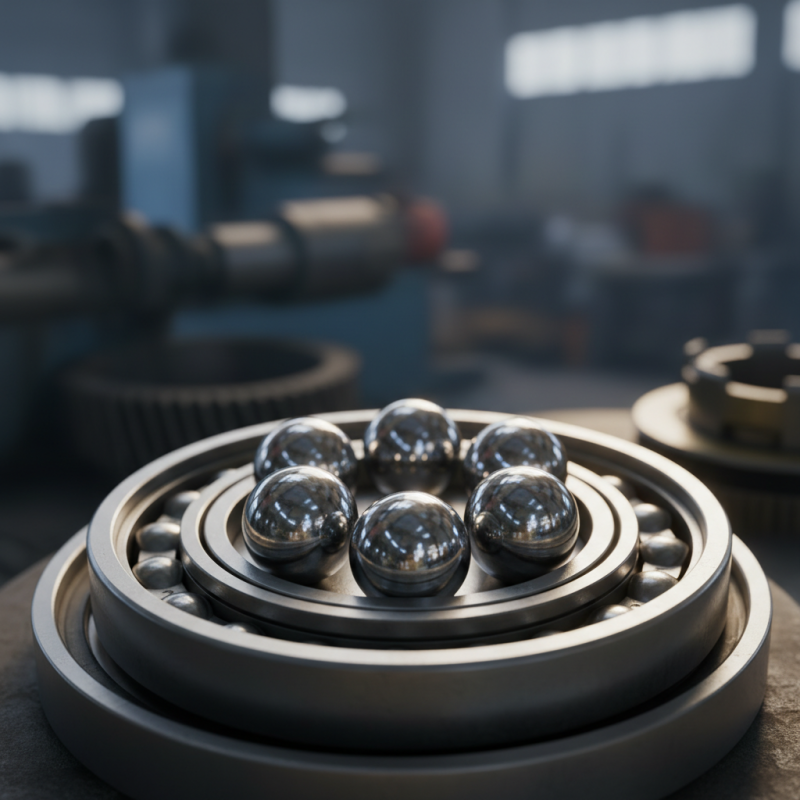
Ball bearings are crucial components in various mechanical systems. They are designed to reduce friction between moving parts. A ball bearing typically consists of inner and outer races, along with steel balls. This simple design allows for smooth operation in machinery.

There are several types of ball bearings, including deep groove, angular contact, and thrust bearings. Deep groove bearings are the most common. They can handle both radial and axial loads. This versatility makes them suitable for many applications. According to industry reports, the global ball bearing market is projected to reach $73 billion by 2026. This growth highlights the importance of these components.

However, not all ball bearings perform equally. Factors such as load capacity and speed ratings must be considered. Some bearings may have a shorter lifespan in extreme conditions. Maintenance is also critical; neglect can lead to failures. Users often underestimate the importance of proper lubrication. Ignoring these details can lead to costly downtime and inefficiencies in operations.

The Science Behind Ball Bearings: Understanding Friction and Load Distribution

Ball bearings play a crucial role in reducing friction in machinery. They consist of small balls that sit between two surfaces. This design allows for smooth rotation and load distribution. According to industry studies, ball bearings can reduce friction by as much as 80%. This significant decrease results in increased efficiency in mechanical systems.

Friction creates heat, which can lead to failure. Studies indicate that nearly 30% of machinery failures stem from excessive friction. Ball bearings help to manage this issue. By distributing the load evenly, they enhance the lifespan of moving parts. A well-implemented ball bearing system can extend equipment life by 50% or more. However, improper selection or installation can lead to performance issues. It’s a fine balance to strike.

Understanding the science behind these components is essential. The materials used, such as steel or ceramic, impact performance. Ball bearings must be chosen based on specific applications. Research suggests that even slight changes in load or speed can affect durability. Users must regularly assess their systems to ensure optimal functionality. In engineering, even the smallest oversight can have a huge impact.

What is a Ball Bearing and How Does it Work? - The Science Behind Ball Bearings: Understanding Friction and Load Distribution

Type of Ball Bearing Material Load Capacity (kg) Friction Coefficient Applications
Deep Groove Ball Bearing Steel 45 0.001 Electric Motors, Machinery
Angular Contact Ball Bearing Ceramic 30 0.0009 High-Speed Applications, Spindles
Self-Aligning Ball Bearing Stainless Steel 50 0.002 Agricultural Equipment, Conveyors
Thrust Ball Bearing Bronze 40 0.003 Heavy Machinery, Gearboxes
Magnetic Ball Bearing Composite Materials 25 0.0005 Advanced Robotics, High-Precision Equipment

Key Components of Ball Bearings and Their Roles in Functionality

Ball bearings are vital in reducing friction between moving parts. They consist of several key components, each playing a crucial role in their functionality. The inner and outer rings are the foundation. They provide the structure for the balls to rotate smoothly. These rings are typically made from high-strength steel. This ensures durability and resistance against wear.

The balls themselves are another essential component. They allow for smooth motion due to their spherical shape. Different sizes of balls can be used depending on the load and speed requirements. Spacers, or separators, help keep the balls evenly spaced. This prevents them from colliding and ensures even distribution of weight. While these components work well together, improper installation can lead to premature failure.

Lubrication is also a critical aspect. It reduces friction and helps with heat dissipation. Using the right lubricant can improve performance, but too much can attract dirt. Maintaining a balance is tricky. Regular maintenance is necessary to keep ball bearings working efficiently. Without it, significant wear and tear can occur, negating their benefits.

Applications of Ball Bearings in Industries: From Automotive to Aerospace

Ball bearings play a crucial role in various industries, including automotive and aerospace. In the automotive sector, these components reduce friction in engines, wheel hubs, and transmissions. According to the Roller Bearing Industry Study, the automotive segment is expected to grow at a rate of up to 6.2% annually over the next five years. This growth can be attributed to the increased demand for efficient vehicles.

In aerospace, ball bearings are vital for systems like landing gear and turbine engines. They ensure smooth operation under extreme conditions. The aerospace ball bearing market is projected to reach 8.9 billion USD by 2025. Yet, the industry faces challenges with reliability testing. Many manufacturers often overlook this aspect, leading to potential failures during flight.

Industries must reflect on their bearing choices. Suboptimal selections can lead to inefficiencies. Data suggests that reducing friction by just a fraction can improve energy efficiency significantly. However, many firms still underestimate the importance of quality bearings. This oversight may hinder performance. It raises questions about prioritizing quality over cost.

Applications of Ball Bearings in Various Industries

Choosing the Right Ball Bearing: Factors Affecting Performance and Durability

When selecting a ball bearing, several critical factors determine performance and durability. The material of the bearing is paramount. Steel bearings are common due to their strength. However, ceramic options offer higher resistance to corrosion and wear. Choosing the right material can significantly impact the lifespan and efficiency of the bearing.

Load capacity also plays a vital role. Bearings must handle various loads in different applications. A report by the International Bearing Association reveals that improper load can decrease bearing life by up to 50%. Consideration of dynamic loads and static loads ensures optimal performance.

Another aspect is lubrication, which affects friction. The right lubricant minimizes wear and heat. Inadequate lubrication can lead to premature failure. Some studies suggest that bearings with proper lubrication can last three times longer than those without it. Reflecting on these factors is essential for making informed decisions.