
As we look ahead to 2026, the Air Compressor industry is on the brink of significant transformation. New technologies are emerging that promise to enhance efficiency and performance. Companies are increasingly focusing on sustainability. This trend reflects a growing awareness of environmental impact.
Smart air compressors are gaining popularity. These devices use IoT technology for real-time monitoring and control. Users can optimize power usage and detect issues early. This not only improves performance but also reduces maintenance costs. Moreover, energy-efficient models are becoming standard. They help companies save on operational expenses.
However, challenges remain. The market is also crowded with many options. Businesses must navigate a complex landscape to find the best solution. A deeper understanding of air compressor specifications is essential. As the industry evolves, staying informed is key for making reliable choices.
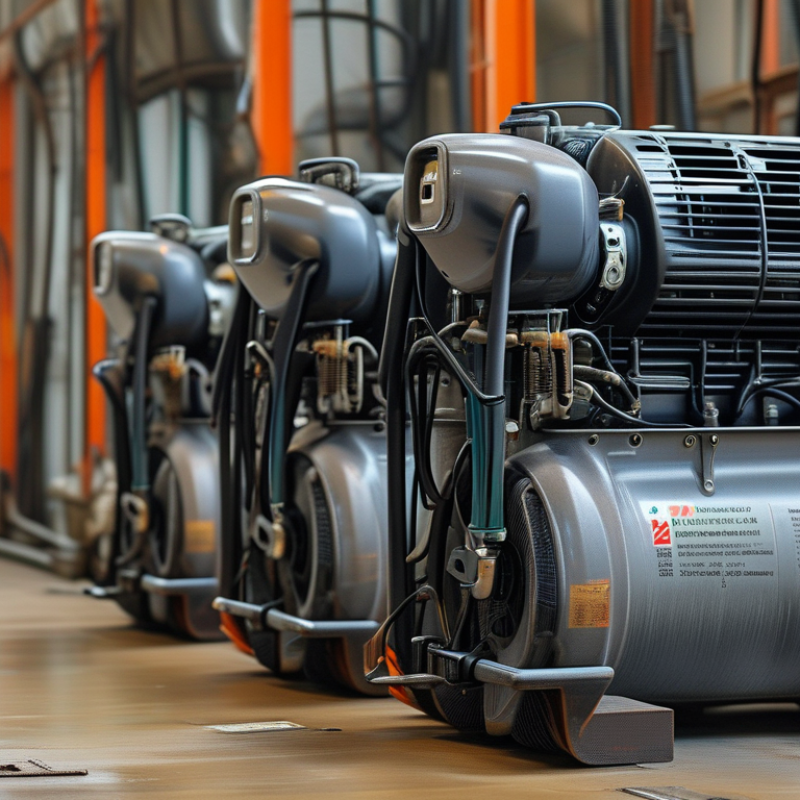
The air compressor industry is on the cusp of significant evolution by 2026. Emerging technologies are transforming air compressor design, focusing on efficiency and automation. Reports indicate that advanced materials and smart sensors will dominate compressor systems, reducing wear and improving performance. For example, the incorporation of lightweight composites can lower energy consumption by up to 15%.
Automation is another key trend. Smart compressors equipped with IoT capabilities will enable remote monitoring and predictive maintenance. According to industry analyses, this could lead to a 20% reduction in downtime. These systems not only enhance operational efficiency but also contribute to significant cost savings over time.
The focus on sustainability and energy efficiency in air compressors is crucial for the industry. As per a report by the International Energy Agency, energy costs can account for up to 80% of a compressor's total lifecycle costs. This reality pushes manufacturers to prioritize energy-saving technologies.
Advanced control systems and variable speed drives (VSDs) are emerging trends that enhance efficiency. These systems adjust the compressor operation based on real-time demand, minimizing energy waste. A notable study showed that VSDs can reduce energy consumption by up to 50%. This shift toward smarter systems emphasizes the need for ongoing innovation and adjustment in air compressor design.
The use of alternative energy sources is also on the rise. Compressors powered by renewable energy can drastically reduce carbon footprints. However, challenges remain. Not all regions have access to the infrastructure needed for such technologies. Balancing immediate efficiency with long-term sustainability is an ongoing concern for industry leaders. Investing in research and development is essential to overcome these barriers.
The integration of smart technology and IoT in air compression systems is revolutionizing the industry. Smart compressors utilize sensors to monitor performance in real time. This enables predictive maintenance, reducing downtime significantly. According to a report by Market Research Future, the global smart air compressor market is projected to grow annually by 7% from 2022 to 2026.
IoT technology fuels efficiency through data analytics. Compressors track energy consumption patterns, helping facilities optimize their usage. This could lead to energy savings of up to 30%, as noted by the Energy Saving Trust. However, challenges remain. Many companies struggle with the initial cost of smart upgrades. Uncertainty about the return on investment can deter adoption.
The shift towards automation presents both opportunities and concerns. While smart technology enhances capabilities, relying heavily on it may pose risks. Cybersecurity becomes a pressing issue as connected devices increase. Ensuring data integrity and system security needs careful consideration. Embracing smart technology is essential, yet organizations must remain vigilant in addressing these vulnerabilities.
The air compressor industry is undergoing significant transformations influenced by various economic factors. As manufacturers seek efficiency, the focus on technology integration is paramount. Innovations in energy efficiency and automation are expected to drive growth. More businesses are recognizing the importance of sustainable practices. This shift could redefine production standards and consumer expectations.
Market fluctuations in raw material prices also play a crucial role. The cost of metals and energy impacts overall pricing strategies. As these fluctuations occur, companies must adapt quickly. It's essential to keep a close watch on geopolitical events, which can disrupt supply chains. Vulnerabilities in sourcing create challenges that might lead to increased prices for consumers.
Consumer preferences are shifting toward quieter, more efficient models, reflecting a broader trend in environmental consciousness. However, this pursuit of sustainability can lead to higher initial investments. Companies face the challenge of balancing upfront costs with long-term returns. There's potential for missteps if they fail to gauge market readiness. Understanding these dynamics will be critical as the air compressor industry evolves.
| Trend | Market Influence | Projected Growth Rate (%) | Key Drivers |
|---|---|---|---|
| Increased Automation | High | 8.5 | Industry 4.0, labor shortages |
| Sustainability Initiatives | Moderate | 7.0 | Regulatory changes, consumer demand |
| Technological Advancements | Very High | 9.2 | IoT integration, smart technology |
| Portable Compressors Demand | High | 6.5 | Construction growth, DIY trends |
| Electrification of Compressors | Moderate | 5.5 | Energy costs, eco-friendliness |
The air compressor industry is on the brink of profound transformation by 2026. Future applications will see significant advancements in energy efficiency and automation. Reports indicate that energy-efficient models could reduce operational costs by over 30%. Innovations in smart technology are set to allow remote monitoring and predictive maintenance, which can minimize downtime and increase productivity.
Compressed air systems are expected to integrate more with renewable energy sources. For instance, using solar or wind power could enhance sustainability. A recent study found that nearly 25% of industrial energy consumption goes to compressed air systems. This presents a critical area for innovation. Companies will need to reevaluate their energy consumption and develop strategies to combat excessive use.
Advanced filtration and air quality control are also emerging trends. Improved filtration systems will enhance the quality of compressed air, reducing product defects. Reports suggest that better air quality could lead to a 20% increase in manufacturing efficiency. As these trends evolve, companies must remain vigilant and open to change. The future holds promising advancements, but they also require careful consideration and adaptation from industry players.